Denver to Vail in Winter: Start Here
The Denver to Vail drive looks simple on a map. One interstate, head west, done. Then the first storm rolls in over the Continental Divide, the road climbs past 11,000 feet, and that tidy two-hour trip turns into something else entirely. If you have a flight to catch or a dinner reservation in Vail Village, the difference between a smooth ride and a white-knuckle crawl comes down to a few decisions you make before you ever leave town.
This guide walks you through the real Denver to Vail winter route — the I-70 mountain corridor, the Eisenhower Tunnel, Vail Pass — plus Colorado's traction and chain laws, the best times to travel, and an honest look at every way up the hill.
How long does the Denver to Vail drive take in winter? In good conditions, Denver to Vail is about 100 miles west on I-70 and takes roughly 2 hours. In snow or heavy ski traffic, plan on 3 to 5 hours — sometimes more if CDOT closes the highway. The lowest-stress option is a chauffeured AWD transfer that handles the pass, the chain laws, and the timing for you.
The Route: I-70, the Eisenhower Tunnel, and Vail Pass
From Denver, the whole trip runs west on Interstate 70. You leave the city around 5,280 feet and climb steadily into the high Rockies. It is a gorgeous drive in clear weather and a serious one in a storm — you gain over a mile of elevation before you arrive.
What you pass along the way
- Idaho Springs — the first mountain town, a good fuel-and-coffee stop about 35 minutes out.
- Georgetown — a historic mining town tucked into the canyon, right before the climb steepens.
- Eisenhower-Johnson Memorial Tunnel — at roughly 11,000 feet, this is the highest point on the entire Interstate Highway System. Weather at the tunnel can be completely different from Denver's.
- Silverthorne and Frisco — the heart of Summit County, where many travelers stop or branch off to other resorts.
- Vail Pass — the last big climb, topping out at 10,662 feet. This stretch closes more often than any other in a bad storm.
- Vail — your destination, about 100 miles from where you started.
Two passes, two personalities
People lump the high country together, but the tunnel and Vail Pass behave differently. The tunnel sits at the top of a long grade and gets fierce wind and blowing snow. Vail Pass is a winding, exposed climb that ices fast and is the spot where you will most often see spun-out cars and chain-law checkpoints. If conditions are going to bite, this is usually where.
For door-to-door planning across this corridor, our mountain and ski resort transfers are built around exactly these chokepoints — we watch them every single day.
Winter Driving Realities: Traction Law, Chain Law, and Why Rentals Get Caught Out
Colorado does not leave winter driving to chance on this road. The state runs two escalating rules on the I-70 mountain corridor, and CDOT turns them on and off as storms move through. Knowing the difference matters — getting it wrong means a fine, a long wait, or being turned around.
The Traction Law (Code 15)
This is the more common of the two. When CDOT activates the Traction Law, your vehicle needs one of the following:
- Four-wheel drive or all-wheel drive, plus tires with at least 3/16-inch of tread.
- Snow tires marked with the mountain-snowflake symbol, all-weather rated tires, or mud-and-snow (M+S) tires — again with adequate tread.
- If your vehicle does not meet those, you need chains or an approved traction device on board.
The Traction Law applies on the I-70 corridor between Dotsero and Morrison each year from September 1 through May 31, and CDOT can switch it on the moment conditions call for it.
The Passenger Vehicle Chain Law (Code 18)
This is the last step before CDOT closes the highway. When the Chain Law is in effect, every vehicle — including AWD and 4WD — must have chains or an approved alternative traction device fitted to its drive tires. Good tires alone are no longer enough. If you have ever sat parked on the shoulder watching other people wrestle with chains in a blizzard, this is the law that put them there.
Why rental cars get people stranded
This is the trap so many out-of-state visitors fall into. You fly into Denver, grab a rental, and roll west — only to discover the car is a front-wheel-drive sedan on bald all-season tires, with no chains anywhere in the trunk. When the Traction Law goes up, you are not legal. When the Chain Law goes up, you are stuck. Rental counters rarely include chains, and most travelers have never fitted a set in their lives.
A professional transfer sidesteps the whole problem. Our mountain vehicles are AWD, kept on proper winter tires, and our chauffeurs carry and fit chains as a matter of routine. You can check current rules and live conditions yourself anytime at CDOT's COtrip.org before you travel.
The Best Times to Travel: Beat the I-70 Crush
Weather is only half the battle. The other half is everyone else trying to get to the same place at the same time. I-70 ski traffic is famously predictable, which is good news — predictable means avoidable.
The patterns that matter
- Friday and Saturday mornings, westbound: This is the heaviest traffic of the week as weekend skiers pour out of Denver and the Front Range toward the resorts. Late morning is the worst of it.
- Sunday afternoons, eastbound: The mirror image. Everyone heads home at once, and the stretch from the mountains back toward Denver can crawl for hours, especially around Floyd Hill.
- Powder days: After a big overnight snow, westbound traffic surges before dawn. More snow also means a higher chance of traction or chain law activation, so delays stack on top of delays.
When to actually leave
If you can, drive up early — leaving Denver before 7 a.m. on a weekend morning puts you ahead of the worst westbound wave. Heading home, either leave by early afternoon or wait until the evening rush thins out. Mid-week travel is the quietest of all. The beauty of a chauffeured transfer is that the timing becomes our job: we track the corridor in real time and pick the window that gets you there on schedule.
Your Options to Get from Denver to Vail in Winter — An Honest Comparison
There is no single right answer here — it depends on your group, your budget, and how much you enjoy driving a mountain pass in a snowstorm. Here is a straight comparison.
Drive yourself
Cheapest and most flexible if you have your own AWD vehicle, winter tires, chains, and real experience on icy grades. The downsides: you are responsible for traction-law compliance, you cannot enjoy the scenery, and after a long ski day you still have to drive Vail Pass in the dark. For visitors in a rental, this is the riskiest choice for the reasons above.
A professional chauffeured transfer
You ride; someone who drives this road for a living handles the rest. The vehicle is winter-ready, the chains are on board, and the price is locked in. Best for travelers who want zero stress, families with kids and gear, and anyone connecting to or from a flight. This is what our ski resort transfer service exists for.
Fly into Eagle County (EGE)
Eagle County Regional Airport sits about 35 minutes west of Vail and runs seasonal flights in winter. It shortens the ground portion of your trip dramatically — but flights are limited, seasonal, and often pricier, and you still need a ride for that last leg. More on when EGE makes sense below.
Shared shuttles
Budget-friendly and they run the corridor regularly, but you are on someone else's schedule, you may stop at several resorts before yours, and you share the vehicle with strangers. Fine if cost is the priority and time is not.
Quick-glance summary
- Lowest cost, most control: drive yourself (if properly equipped).
- Lowest stress, door to door: chauffeured AWD transfer.
- Shortest drive on a clear-weather day: fly into EGE.
- Tightest budget: shared shuttle.
Ready to compare for your dates and group size? Get in touch or call (303) 409-9066 — we answer 24/7.
What to Pack for the Denver to Vail Drive
Even if you are riding, not driving, mountain weather rewards people who prepare. A short closure or a slow crawl is far more comfortable when you have the basics with you.
Keep these within reach
- Water and snacks. Altitude dehydrates you fast, and a stalled-out corridor can mean hours between exits.
- Warm layers and a hat. The tunnel and Vail Pass can be 20-plus degrees colder than Denver, with serious wind.
- Sunglasses. High-altitude snow glare is no joke, even on cloudy days.
- A phone charger and a downloaded route. Cell service drops in the canyons.
- Any medications and your essentials in a carry-on, not buried in checked ski bags.
If you are driving yourself, also bring
- Chains or an approved traction device — and know how to fit them before you need them.
- An ice scraper, gloves, and a small shovel.
- A full tank of gas leaving Denver. Don't gamble on finding open stations in a storm.
- A blanket in the trunk, just in case.
When you book a transfer, we handle the vehicle side of this list entirely — you just bring yourself, your layers, and your gear.
Arriving in Vail: A Pedestrian Village
Here is something first-timers often miss: the heart of Vail is car-free. Both Vail Village and Lionshead are pedestrian villages, with cobbled walkways, no through-traffic, and parking structures on the edges. You cannot simply pull up to most lodges and hotels.
What that means for your arrival
- If you self-drive, you will park in a structure and walk — or haul your luggage and ski gear — to your lodging.
- A chauffeured transfer drops you as close to your door as the village allows, so you are not dragging bags through the snow after a long travel day.
- Once you are settled in, free in-town shuttles and walkable streets mean you rarely need a car at all during your stay.
For the details of getting around once you arrive, see our Vail service area page. It is worth a look before you book lodging, so you understand how close a vehicle can actually get.
When Flying into EGE Makes Sense — and When DIA Wins
Two airports serve Vail trips, and they suit different travelers. Choosing well can save you hours or a lot of money, depending on your priorities.
Eagle County Regional Airport (EGE)
EGE is roughly 35 minutes west of Vail and runs seasonal winter flights. Choose it when:
- You value the shortest possible ground trip and want to skip the I-70 mountain corridor almost entirely.
- A convenient direct flight exists from your home city during ski season.
- Your dates fall inside the seasonal schedule — EGE service is limited and thins out outside peak winter.
Denver International Airport (DIA)
DIA is the bigger, busier choice with far more flights, more airlines, and usually better fares year-round. The tradeoff is the full ~2-hour-plus drive west. Choose DIA when:
- You want the most flight options and the best prices.
- You are traveling outside EGE's seasonal window.
- You would rather lock in a reliable, year-round airport and let a transfer handle the drive.
Either way, the airport-to-resort leg is the part we specialize in. Our Denver airport limo service covers DIA pickups, and you can read more about that hub on our Denver International Airport page. You can compare live flight schedules anytime at flydenver.com.
Why a Chauffeured AWD Transfer Is the Low-Stress Choice
When you add it all up — the climb to 11,000 feet, the traction and chain laws, the weekend traffic crush, the car-free village at the other end — a professional transfer stops being a luxury and starts looking like the sensible call.
What you get
- A driver who knows the road. Our chauffeurs run the Denver to Vail corridor constantly. They read the weather, the traffic, and the chain-law signs so you don't have to.
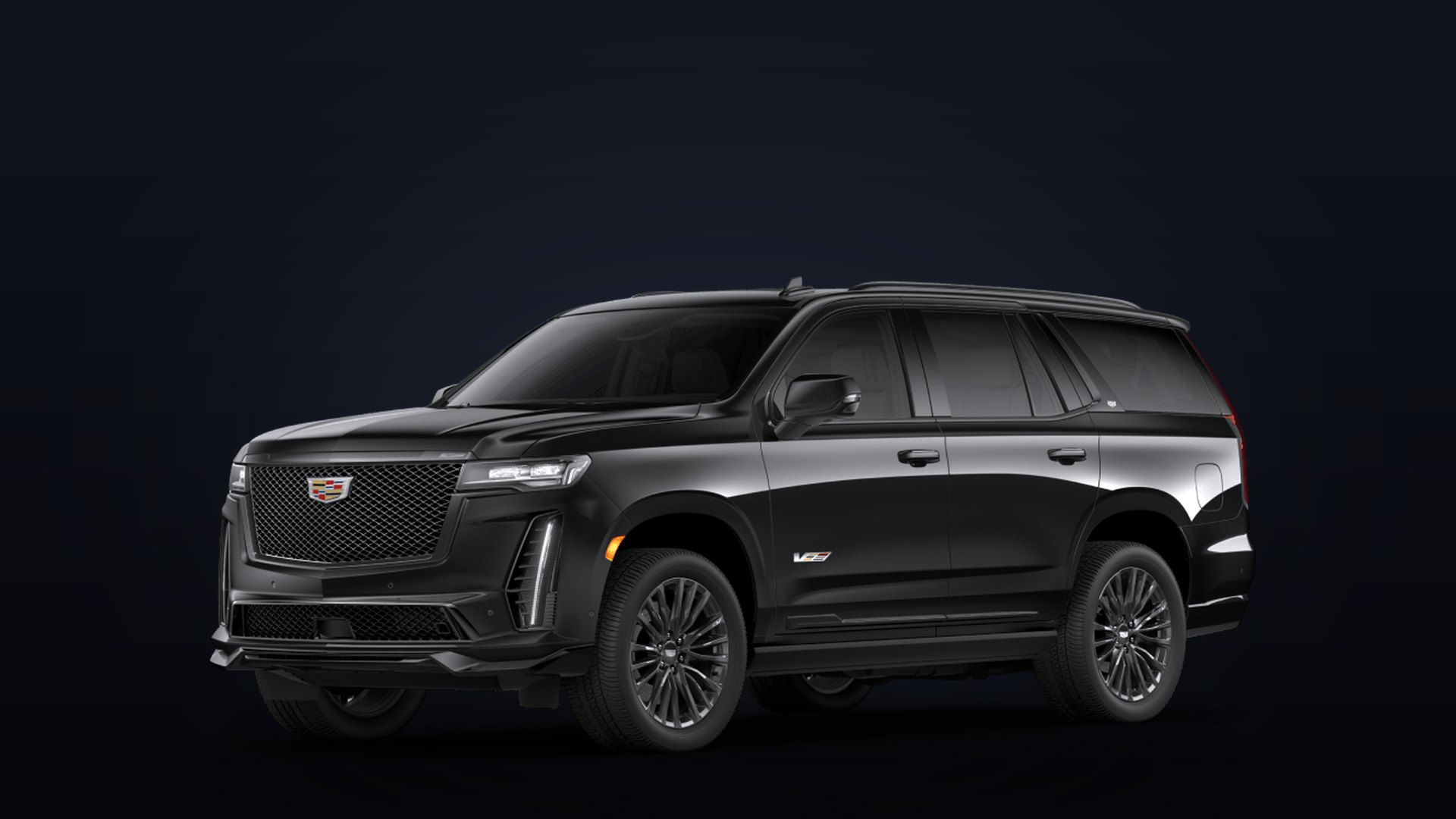
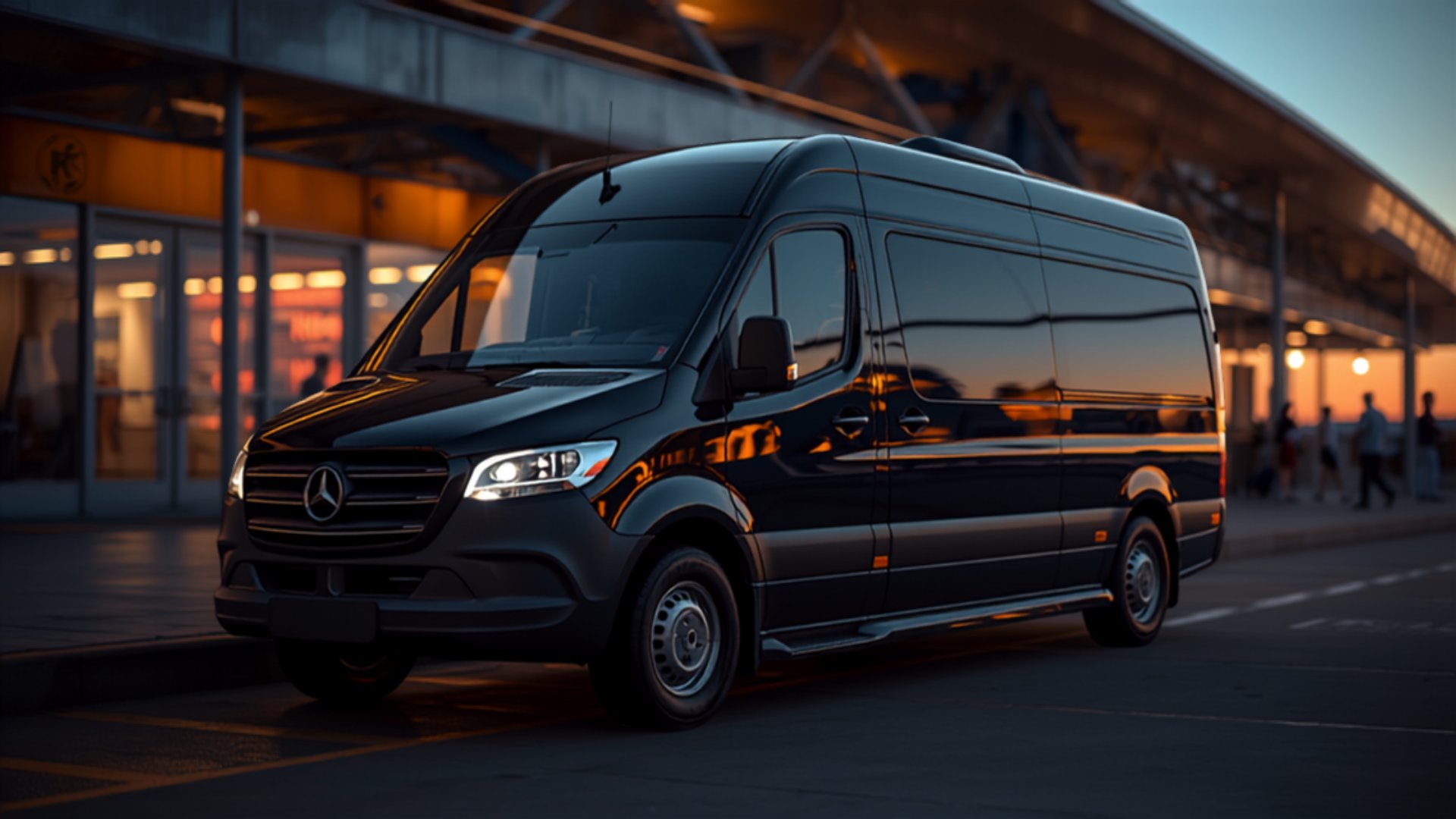
- The right vehicle. Our mountain fleet is built for this. The AWD luxury SUV seats up to 6 with ski racks, and the Sprinter handles up to 14 for bigger groups and gear. See the luxury SUV for the details.
- A flat rate that never moves. A surprise snowstorm changes the drive, but it never changes your price. What we quote is what you pay.
- 24/7 service. Early flights, late arrivals, powder-day departures — we run around the clock.
- Door-to-door, gear and all. We get you as close to your lodging as the village allows, skis and bags included.
You came to Colorado to ski, not to fight Vail Pass in a blizzard. Let someone else take the wheel. Book your Denver to Vail transfer today, or call (303) 409-9066 — we are here 24/7, with flat rates and a fleet made for the mountains.